Classify
Place an eligible packaged food into one of seven proposed categories before calculation.
An India-first candidate framework
AaharAnk
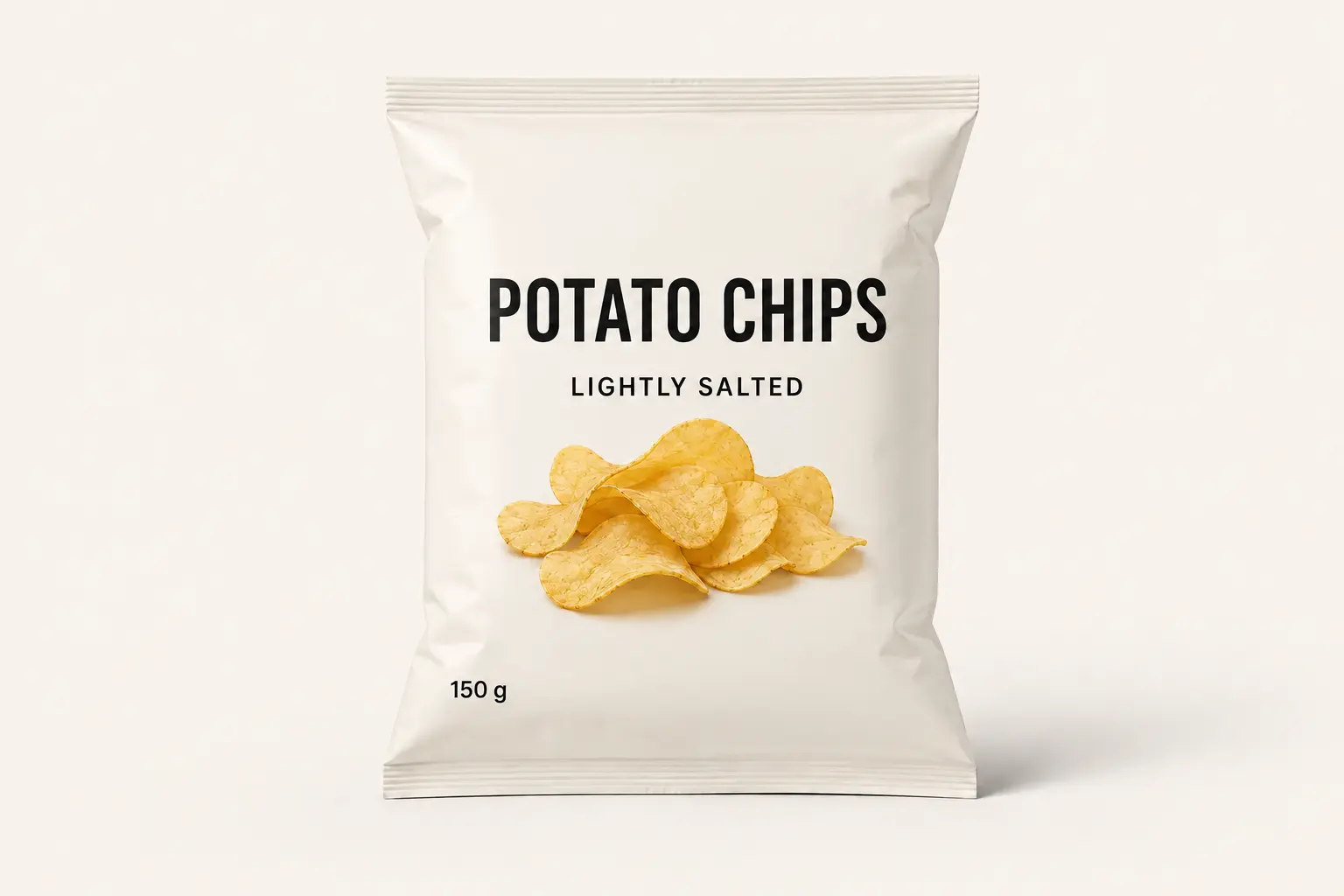
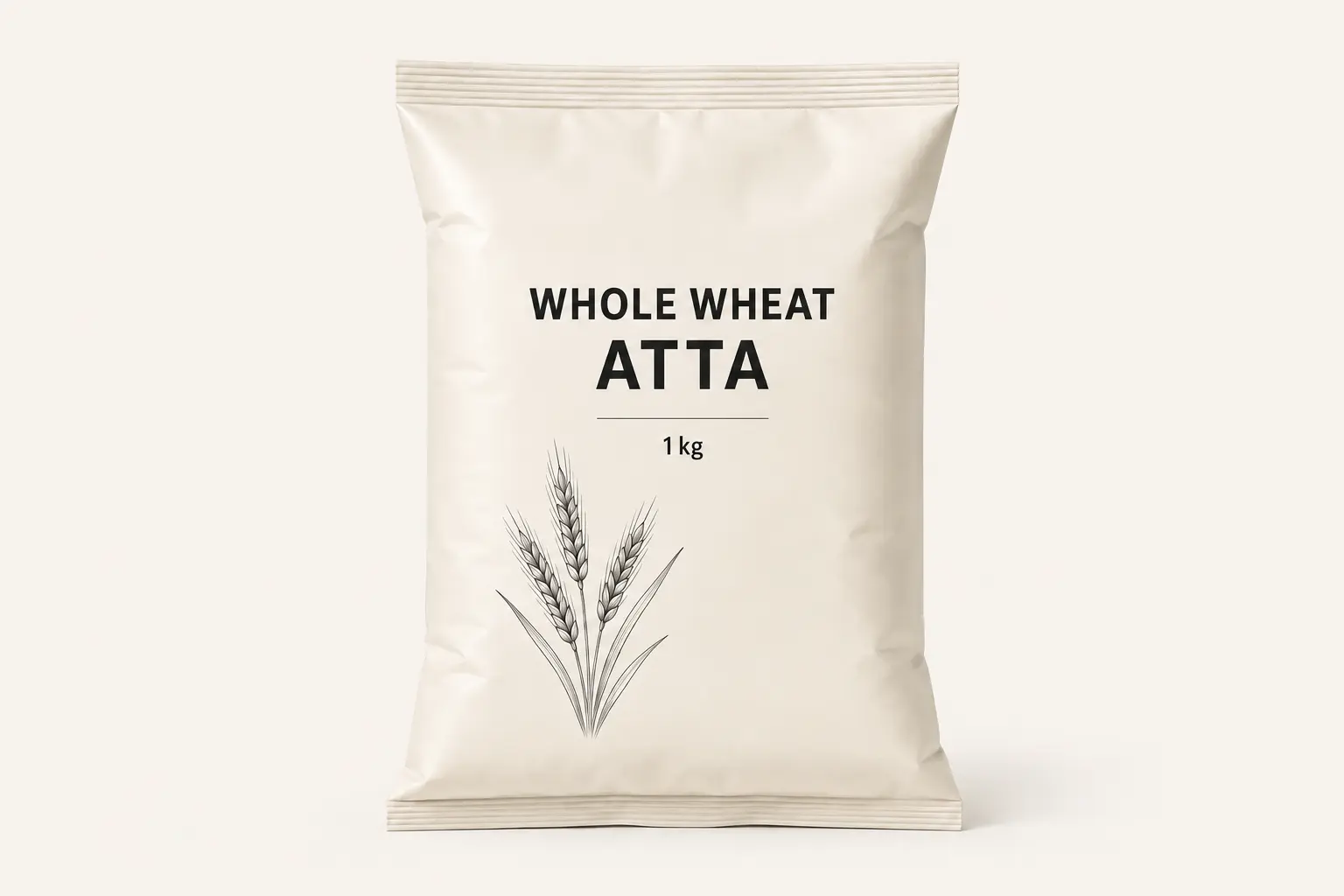

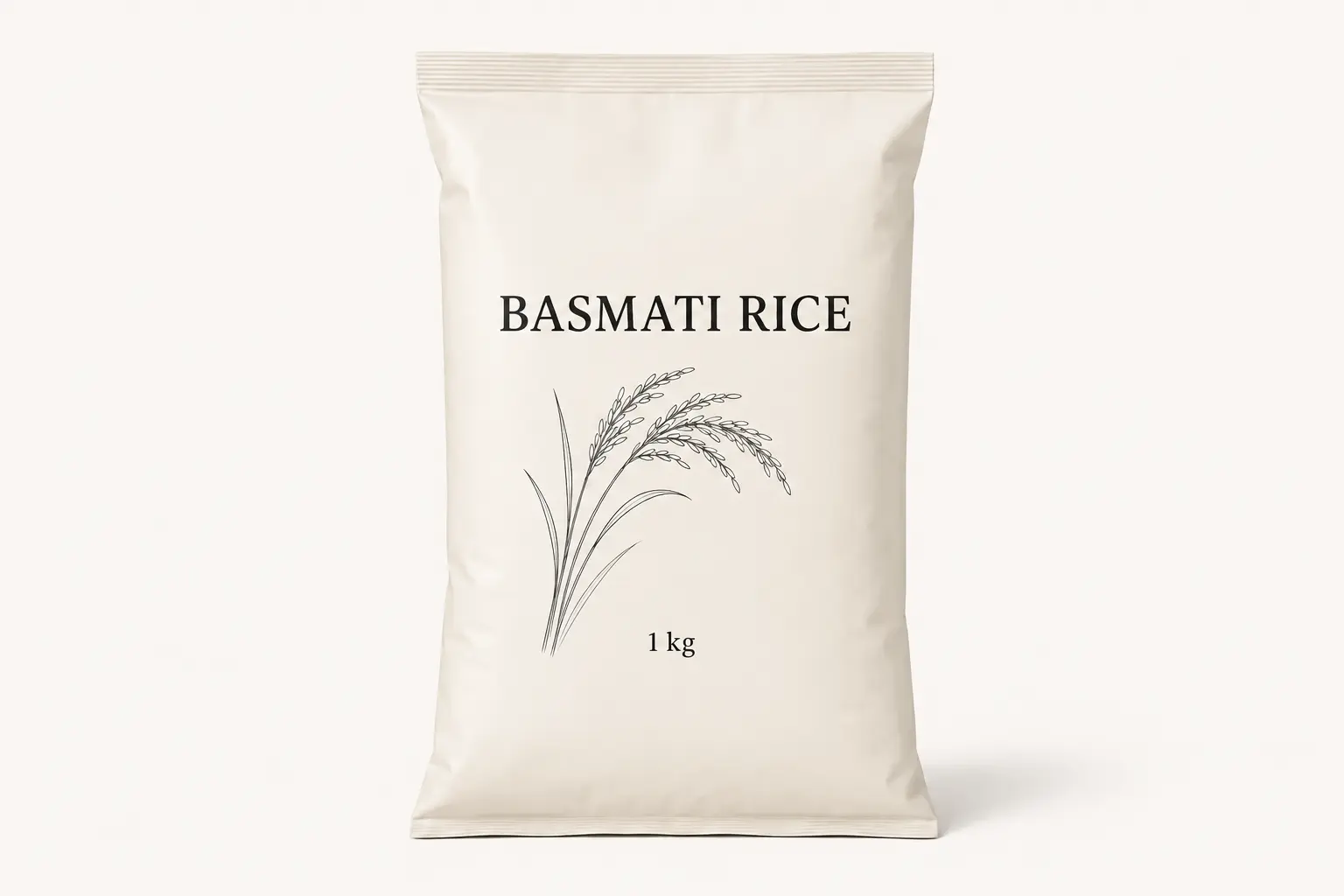
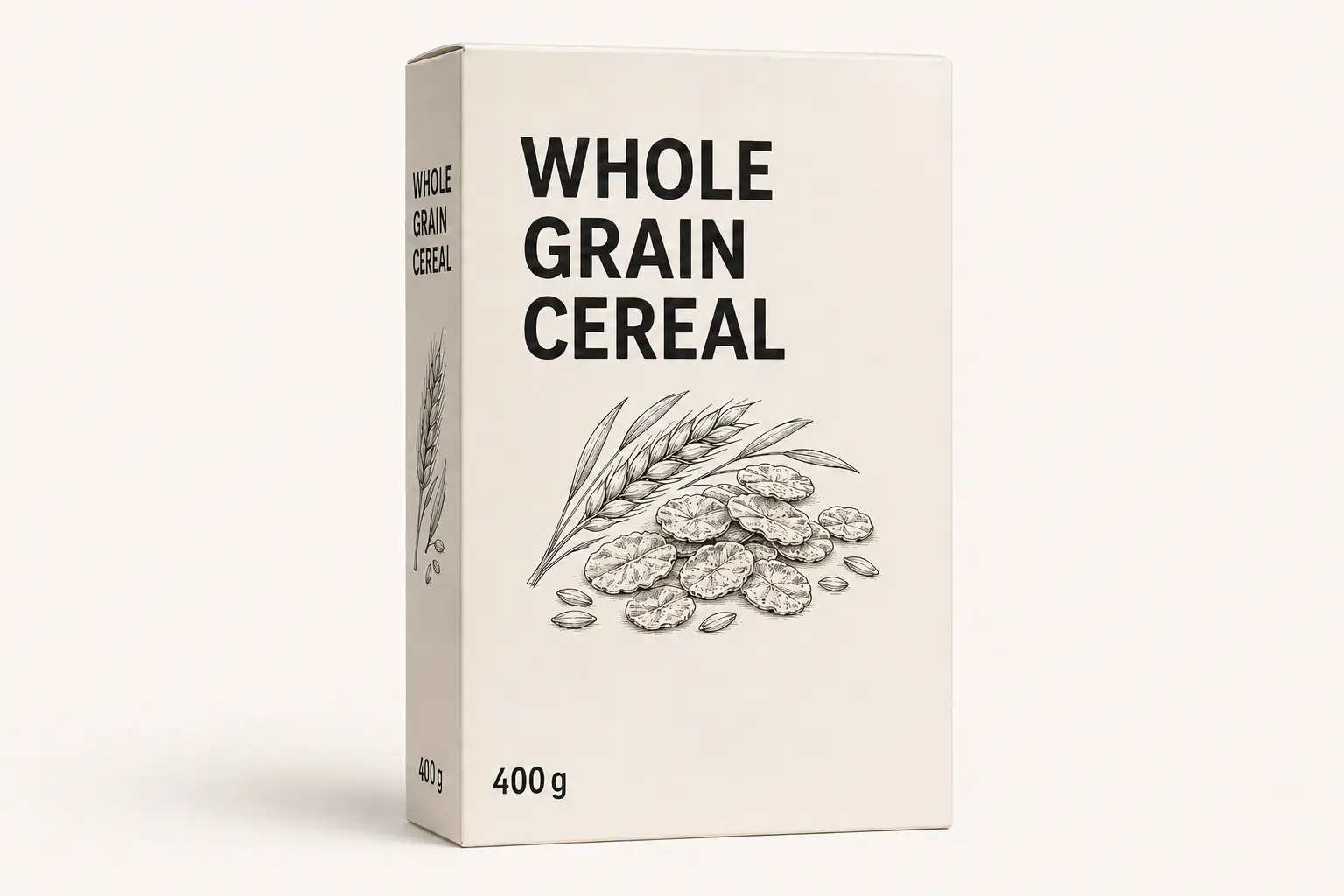
Fictional products · Illustrative provisional grades · Not approved for production labelling
अ आ इ ई उ — five proposed states designed to make comparison quicker, then tested openly before any wider use.
The decision problem
A package may carry detailed nutrition data, yet the shopper still has to find it, interpret it and compare it—often in a few seconds.
Find the panel. Read the numbers. Compare the products. Decide.
AaharAnk asks a narrow public-interest question: can a consistent front-of-pack signal help people compare nutritional composition more quickly, without replacing the full label?
The name
Why अ आ इ ई उ
These are the opening five vowels of the Devanagari varnamala. AaharAnk pairs each letter with a fixed colour and position, so the complete scale stays visible.
No claim of universal or pan-Indian comprehension is being made. Understanding across scripts, languages, regions and literacy levels is a core research question.
Higher nutritional quality
उत्तमGood nutritional quality
अच्छाModerate nutritional quality
ठीकLower nutritional quality
सोच-समझकरLimit frequency
कम खाएंThe proposed system
The active vowel is larger and fully opaque. The other four remain in sequence at reduced emphasis, preserving context at a glance.
Moderate nutritional composition under the proposed methodology.
Place an eligible packaged food into one of seven proposed categories before calculation.
Assign points from declared nutrition data or verified laboratory data using the v2.1 tables.
Subtract positive points from negative points, then map the result to provisional category thresholds.
See the proposed mark in context
The complete scale remains visible on every pack. The product's calculated state comes forward.
Illustrative fictional packages only. A mark applies to the verified nutritional profile of a specific product—not automatically to its category. Current thresholds remain provisional and are not approved for production labelling.
Methodology · v2.1
AaharAnk declares the UK FSA Nutrient Profiling Model 2004/05 as its baseline. Every India-specific departure is documented in a model change register and marked by validation status.
Open the complete technical specificationN · components to limit
P · positive components
Core negative components, protein maximum and the protein-cap logic are grounded in the declared FSA NPM baseline.
Seven categories include specific treatment for beverages, fats and oils, dairy, nuts, condiments, and millets.
Grade boundaries, fibre thresholds, saturated-fat ratio scoring, reference portions, and millet or fermentation bonuses are not yet validated.
Published for scientific review only. They must not be used for production pack grading before calibration against at least 500 representative Indian products. Beverages use a separate, stricter proposed scale.
Validation programme
Ten gates must be completed before thresholds can be confirmed or any production-grade labelling begins. A negative pilot result is still useful evidence.
Verify every boundary mathematically, then test whether two independent assessors produce the same score from the same data.
Score at least 500 representative products, review provisional grade boundaries, and validate the proposed Indian food categories and reference portions.
Study comprehension across regions, languages and literacy levels; compare vowels, grades, warnings and hybrid formats; complete legal, regulatory and conflict-of-interest review.
Publish the final specification, dataset and checksum only after the evidence supports a stable release.
The consumer study should compare Devanagari vowels with Roman grades, stars, nutrient-specific warnings and hybrid approaches—not assume one format will win.
Transparency & limitations
01A candidate framework. It is proposed for review, testing and regulatory consideration.
02Not approved, validated or mandated. No government endorsement should be inferred.
03Not ready for production grading. Current thresholds and several adaptations remain provisional.
04Not a replacement for the full label. Nutrition and ingredient declarations remain essential.
05Not medical advice. A grade cannot determine individual dietary suitability.
Participation
A public-interest label should be shaped in public—by the people who read it, study it, regulate it, apply it and scrutinise it.
Join comprehension research and tell us what is clear, confusing or easy to misuse.
Start a conversationReview the model, test assumptions, reproduce calculations and challenge provisional thresholds.
Start a conversationExamine the evidence plan, governance model and compatibility with Indian labelling rules.
Start a conversationSupport controlled, clearly disclosed pilots without treating candidate grades as approved pack claims.
Start a conversationHelp shape safeguards, accessible language, study recruitment and public accountability.
Start a conversationUse the primary documents, status language and version history for accurate reporting.
Start a conversationInterim project contact · An institutional domain and role-based project mailbox have not yet been published.
Documents & resources
The public website is a guide. The versioned source documents remain the authority for methodology and regulatory framing.
The representative product dataset, calibration results, comprehension protocol, study report, governance declarations and final checksum will be published as they are completed. No link is presented until a resource exists.
FAQ
No. AaharAnk v2.1 is a candidate framework proposed for independent scientific evaluation, consumer testing and regulatory consideration. It is not government approved, validated or mandated.
No. The proposed grade describes overall nutritional composition under a stated methodology. It does not determine individual dietary suitability, make a medical claim or replace professional advice.
They are the opening five vowels of the Devanagari varnamala and create a fixed five-step sequence. Whether people across India understand that sequence correctly must be established through consumer research.
The declared baseline is the UK Food Standards Agency Nutrient Profiling Model 2004/05. AaharAnk adds documented India-specific modifications. Those departures are provisional or unvalidated until the validation programme is completed.
Not as a validated or approved production grade. The v2.1 thresholds must first be calibrated against at least 500 representative Indian products and pass the complete validation protocol.
No. A front-of-pack signal is intended to support quick comparison. The complete statutory nutrition and ingredient declaration remains essential.
No. They are fictional packages used only to show placement and visual states. The atta and chips calculations reproduce v2.1 worked examples; the other three use disclosed synthetic nutrient profiles calculated from the v2.1 point tables. They are not category ratings.
Governance & public commitments
The v2.1 documents specify an open-governance model. This website distinguishes that proposed model from institutions that are actually constituted today.
Scientific advisory, technical-secretariat and conflict-of-interest functions are specified in the documents. This website does not claim that those bodies have been appointed or that any government agency endorses the framework.
The interface supports keyboard navigation, visible focus, responsive layouts and reduced-motion preferences. Accessibility findings are welcomed through the interim project contact.
Report an accessibility issue →This version has no account system, analytics, advertising tracker or embedded submission form. Contact actions open the visitor’s own email service; personal information sent by email should be limited to what is necessary.